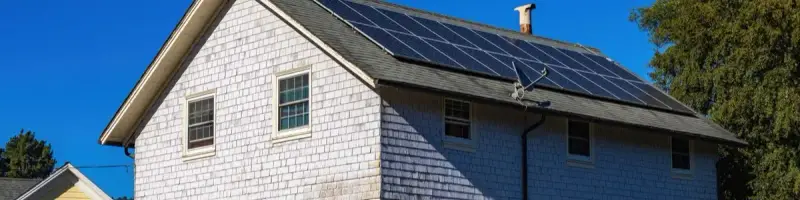
Cedar City Roof Pros: Roof Replacement, Leak Repair and Storm Work
Roofing built to your address elevation and its ground snow load, not to a citywide guess. Free written scope.
Utah S280 roofing contractor license, verifiable on the state registry·Your address elevation and ground snow load pulled before we quote·Iron County crews, and up the canyon roads the same week they open·Written scope naming every product, quantity and flashing detail
Cedar City Roof Pros covers Iron County for re-roofing, leak tracing, storm work and low-slope systems, working in asphalt shingle, standing seam metal, concrete tile and single-ply membrane. Every quote starts with two numbers that most roofers here never write down: your address elevation, and the ground snow load that follows from it.
That is not a gimmick. Utah's statutory snow load table has no entry for Cedar City. It lists Parowan at 32 psf and 6,007 feet, states that a listed load applies at and below the cited elevation, and sends every other address to the Utah State snow load study. Our own building department publishes wind, seismic and frost depth, then links out for snow.
So we look it up, print it on the estimate, and let it decide the specification. On the valley floor at 5,846 feet that usually means an ordinary laminated shingle roof built properly. Up Cedar Canyon it means something else entirely. Knowing which one you are buying is the whole difference between a roof that fits and a package that was sold to you.
Our Roofing Services in Cedar City, UT
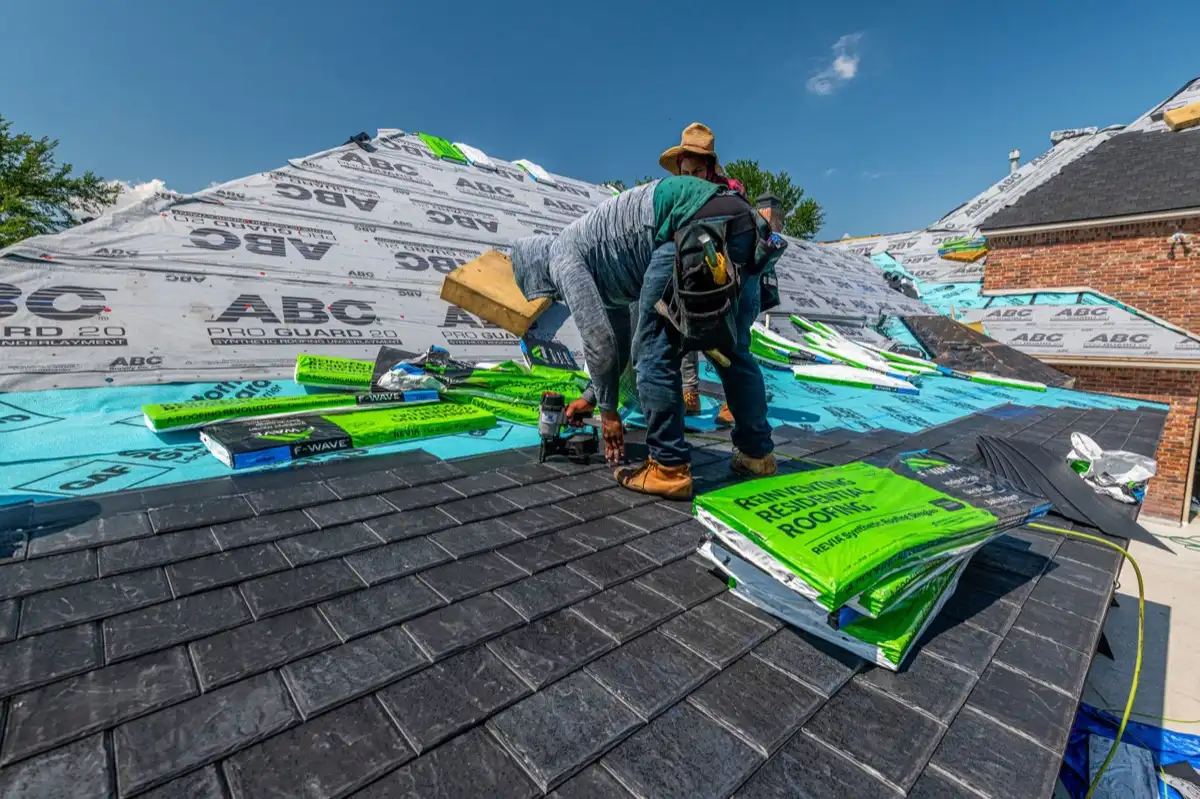
Roof Replacement by Elevation Band
Utah's statutory ground snow load table carries no line for Cedar City. The only Iron County entry is Parowan, 32 psf at 6,007 feet, and our building department publishes wind, seismic and frost depth but hands you a link for snow.
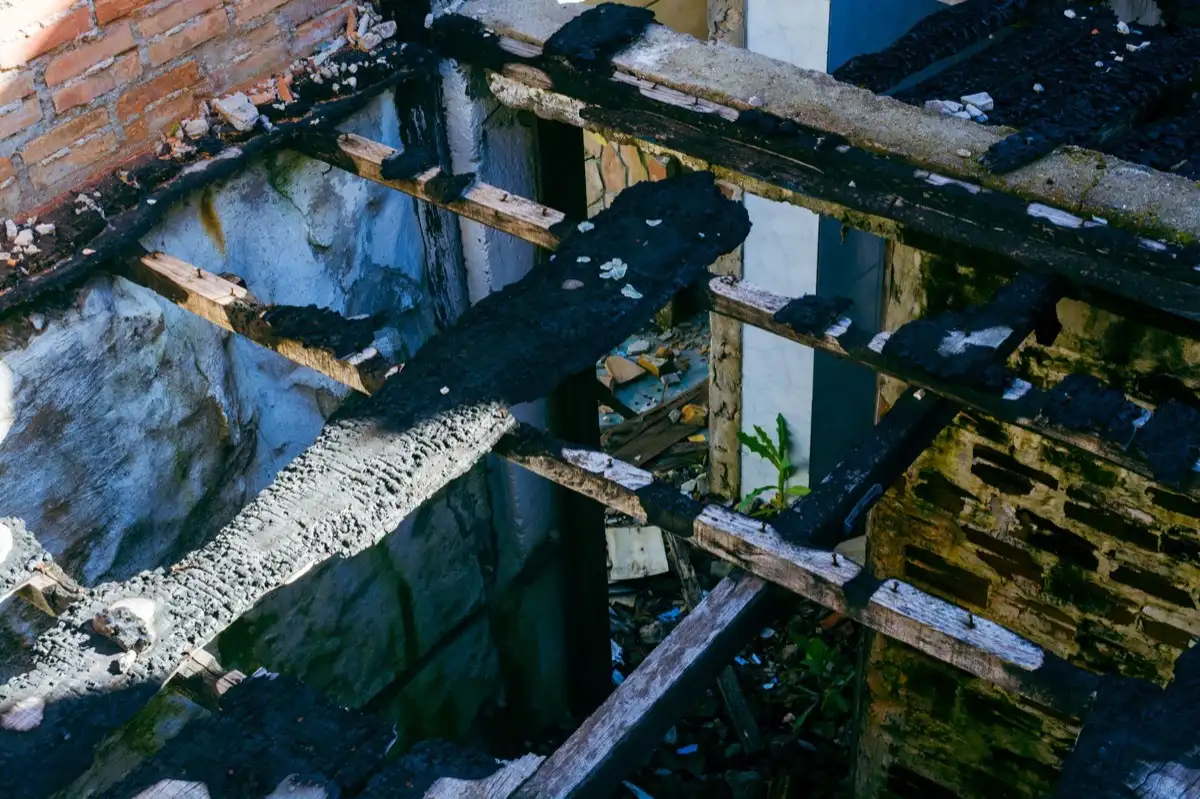
Roof Leak Tracing and Repair
A roof here does not leak the way a roof leaks in wet country. With 11.04 inches of precipitation a year, ours stay dry for weeks.
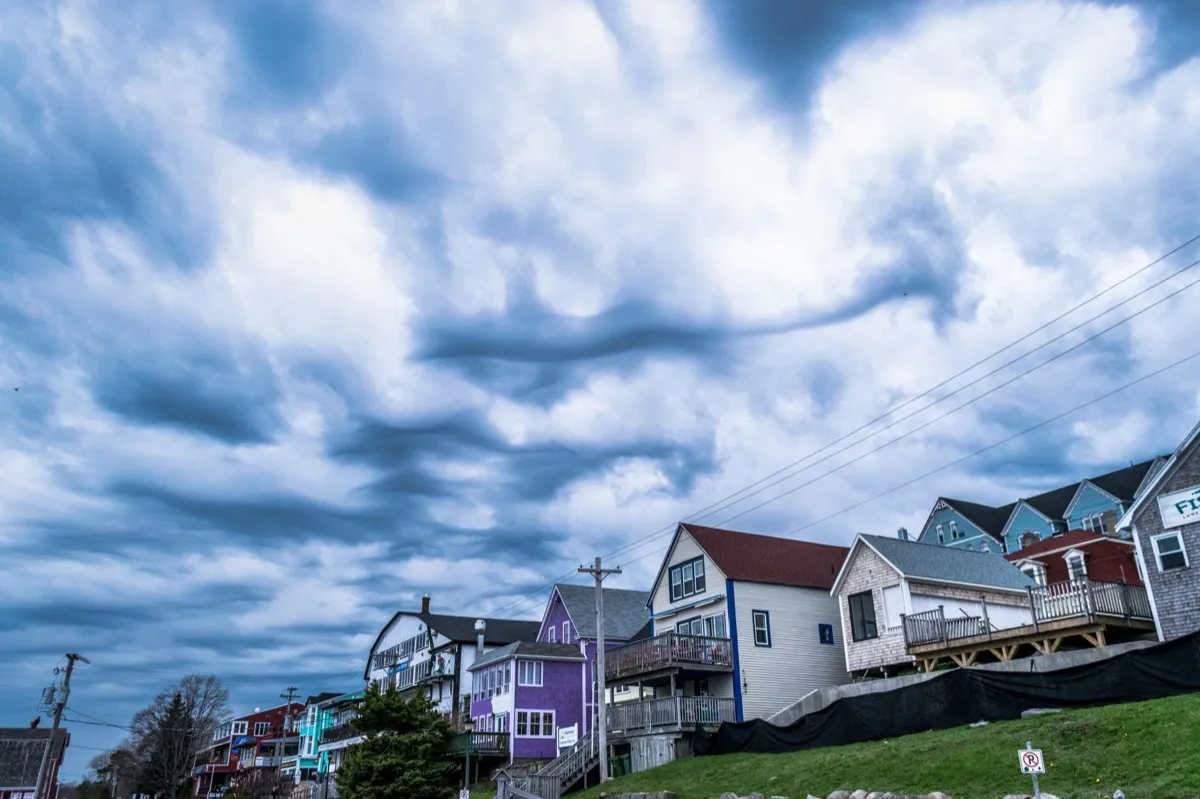
Storm Damage Restoration
Southern Utah delivers two unrelated species of storm, and confusing them is how claims get denied. One is a July monsoon cell off the Markagunt rim.
Hail Damage Assessment
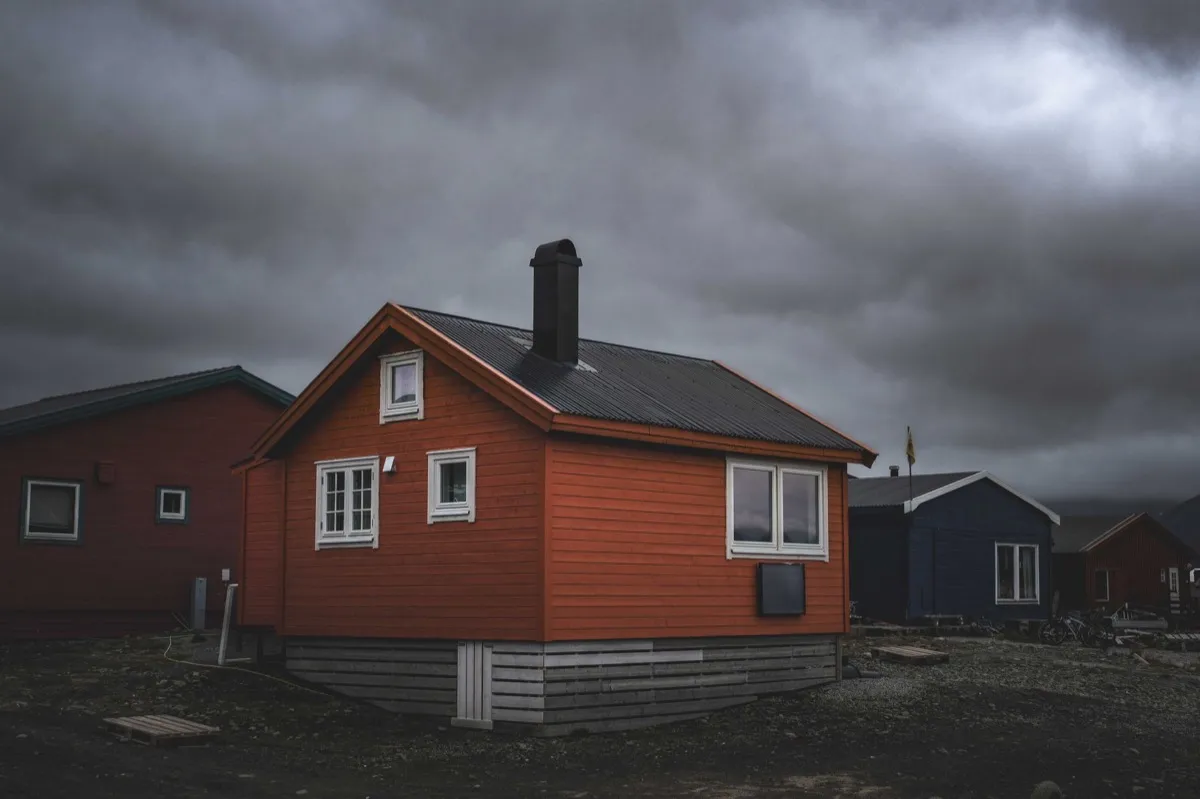
This is not hail country and we are not going to pretend otherwise to sell you a roof. Cedar City sits in the rain shadow of the Great Basin with about 11 inches of annual precipitation.
Wind and Uplift Damage
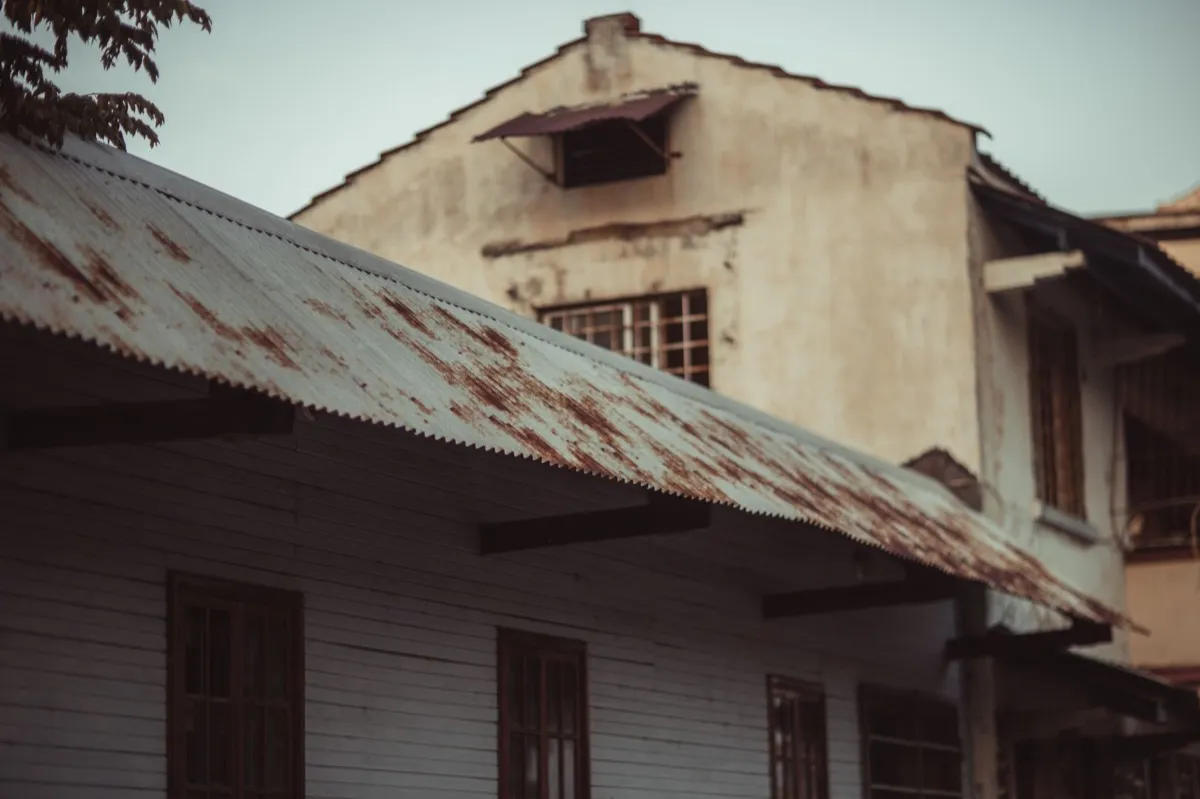
Cedar City's building department publishes a design wind of 90 mph with a 115 mph gust and an Exposure B terrain category. Exposure B assumes buildings and trees upwind breaking the flow apart.
Roof and Snow Load Inspections
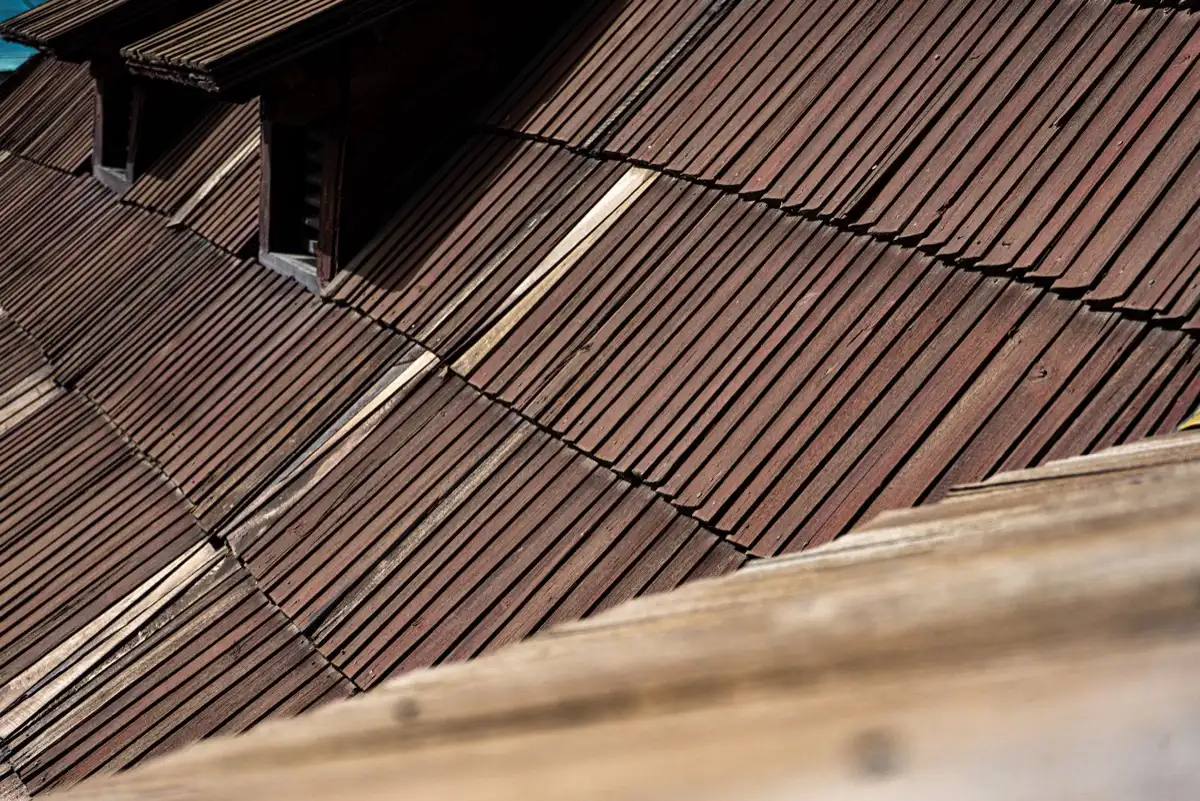
An inspection here should end with a number you did not have before: your address elevation, and the ground snow load that follows from it. Everything else on the report is a description.
Asphalt Shingle Roofing
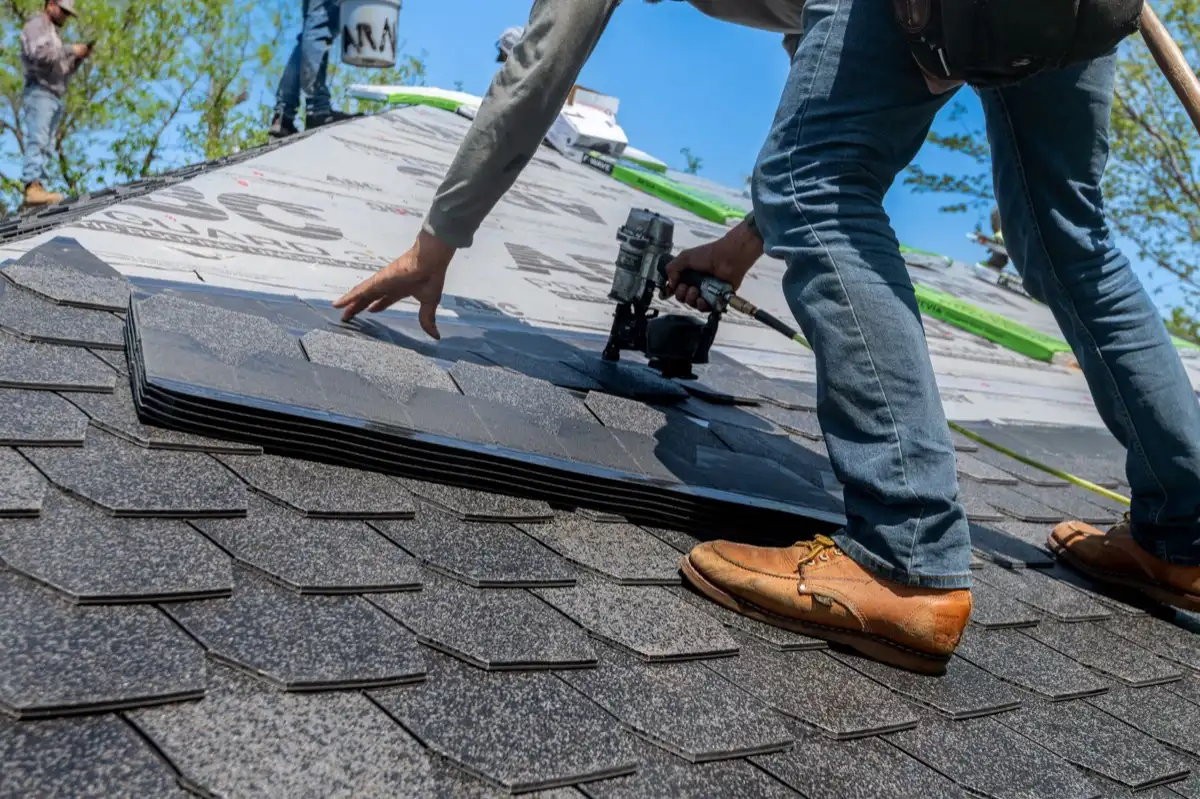
Asphalt covers most of Cedar Valley and it should. What altitude changes is not whether asphalt works, but how it ages and when it can be installed.
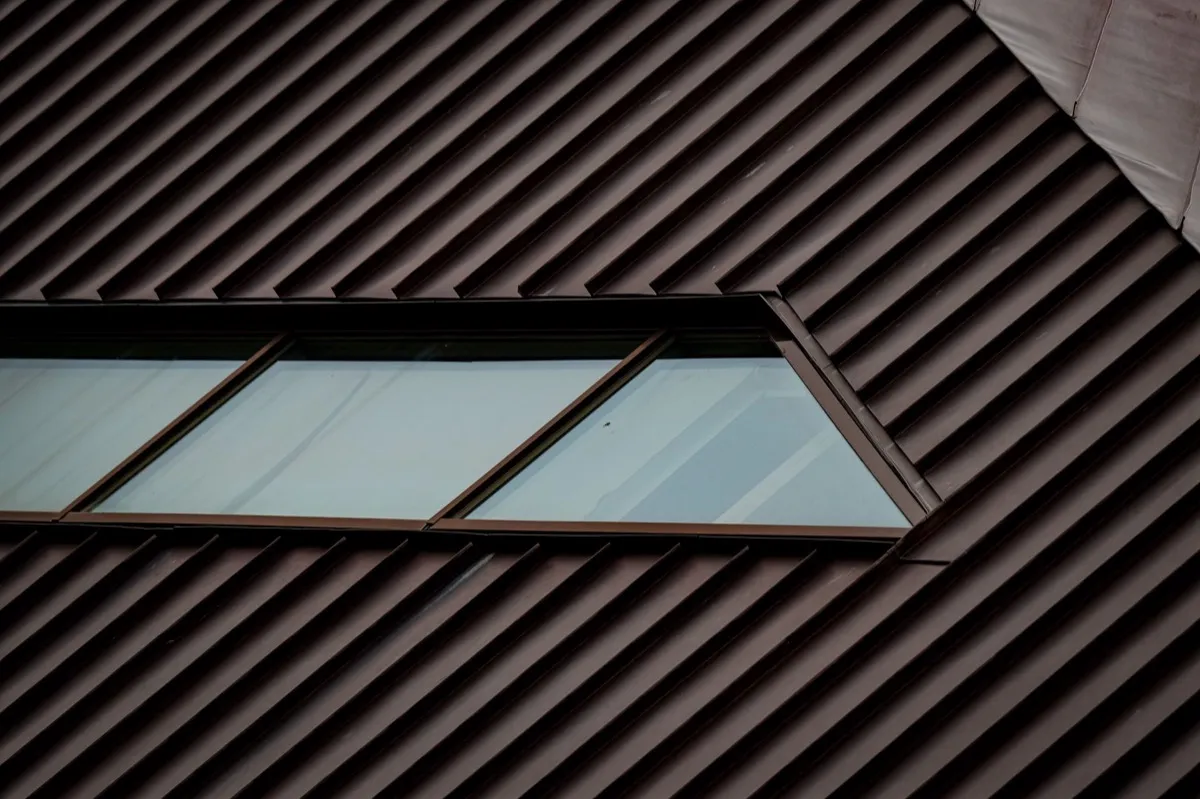
Metal Roofing Above the Band
Metal is the right roof above the band and usually the wrong roof below it. That is an unpopular thing for a roofing company to say, because a standing seam job is worth several times a shingle job.
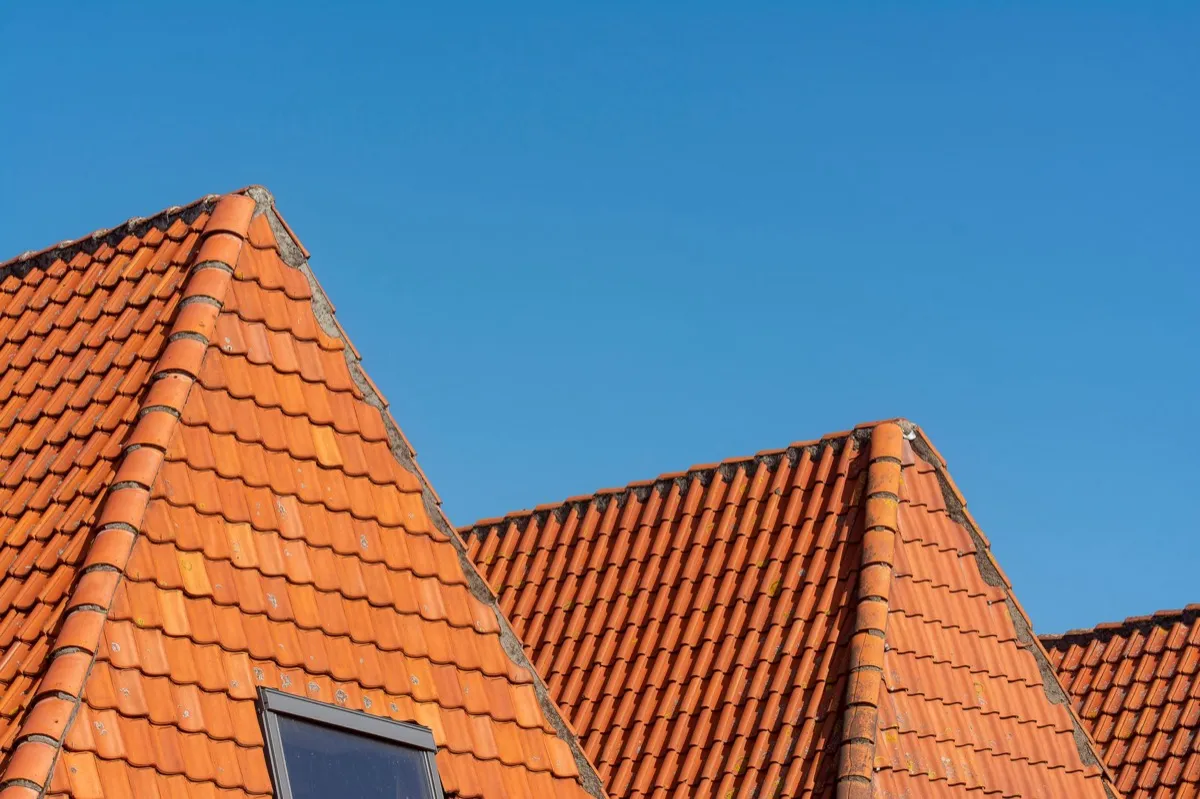
Concrete and Clay Tile Roofing
Concrete tile arrived in Cedar City the way most things do, up Interstate 15 from St. George.
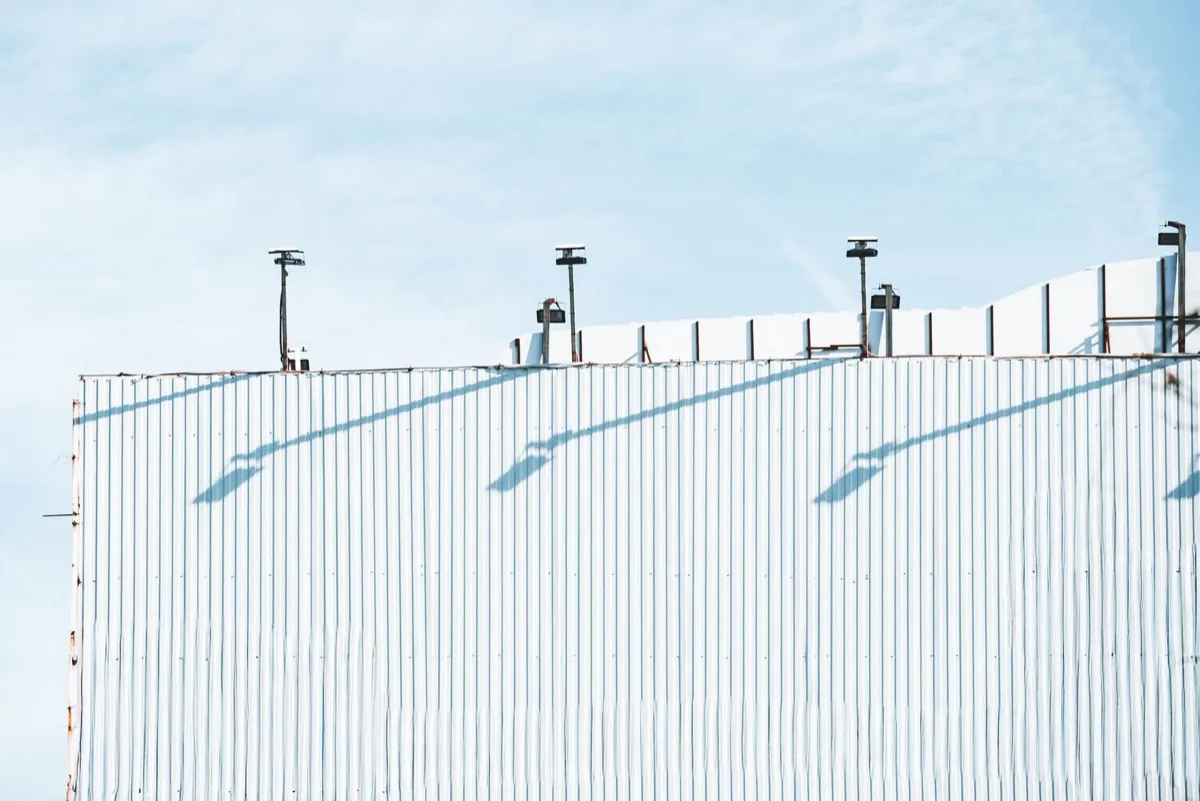
Flat and Low-Slope Roofing
On a low-slope roof at this elevation the first question is structural, not which membrane you like. Utah's amendments turn on numbers that fall directly through our service area, and the answers change the framing before they change the roofing.
Roof Coatings and Sealing
Coatings get sold hard in high-UV towns, and the pitch is easy to make at 5,846 feet where everybody can see what the sun does. Most of the time the honest recommendation is that you should not buy one.
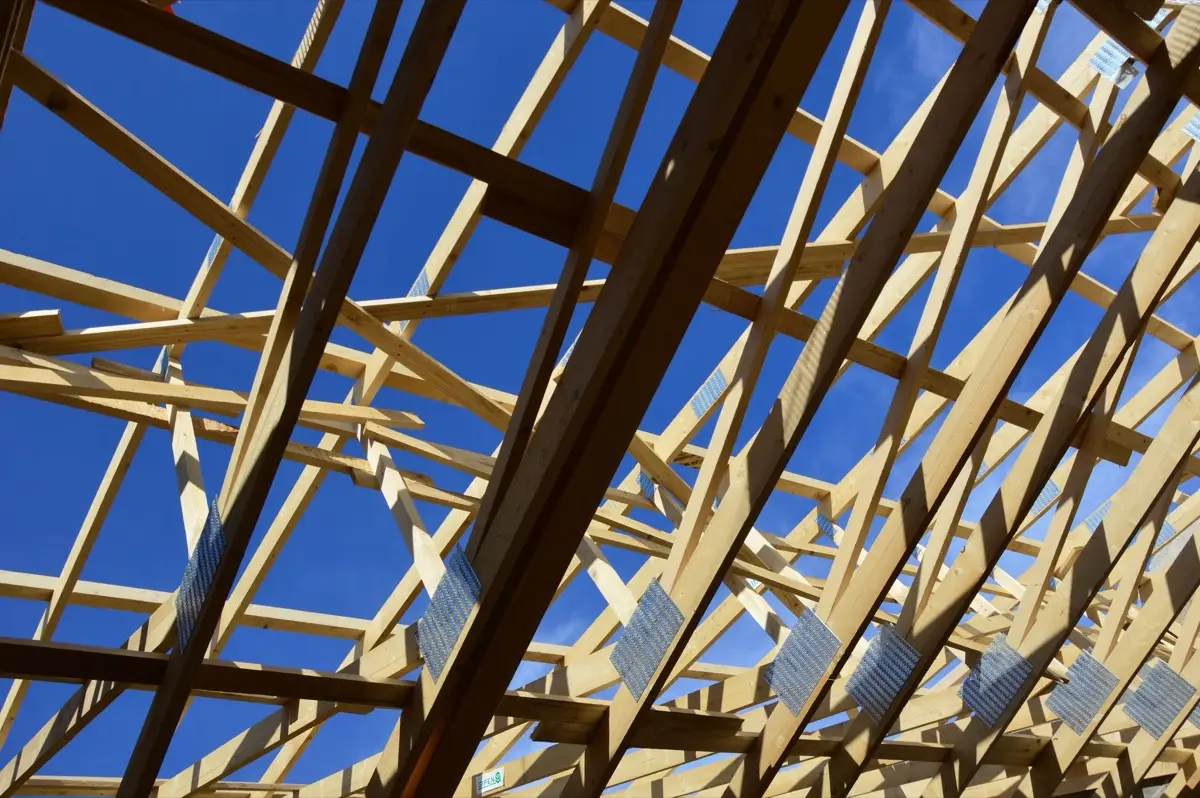
Roof and Attic Ventilation
Most ventilation advice is written for humid places, where the job is getting moisture out of an attic before it condenses. In a town with 11.04 inches of precipitation a year, that problem barely exists.
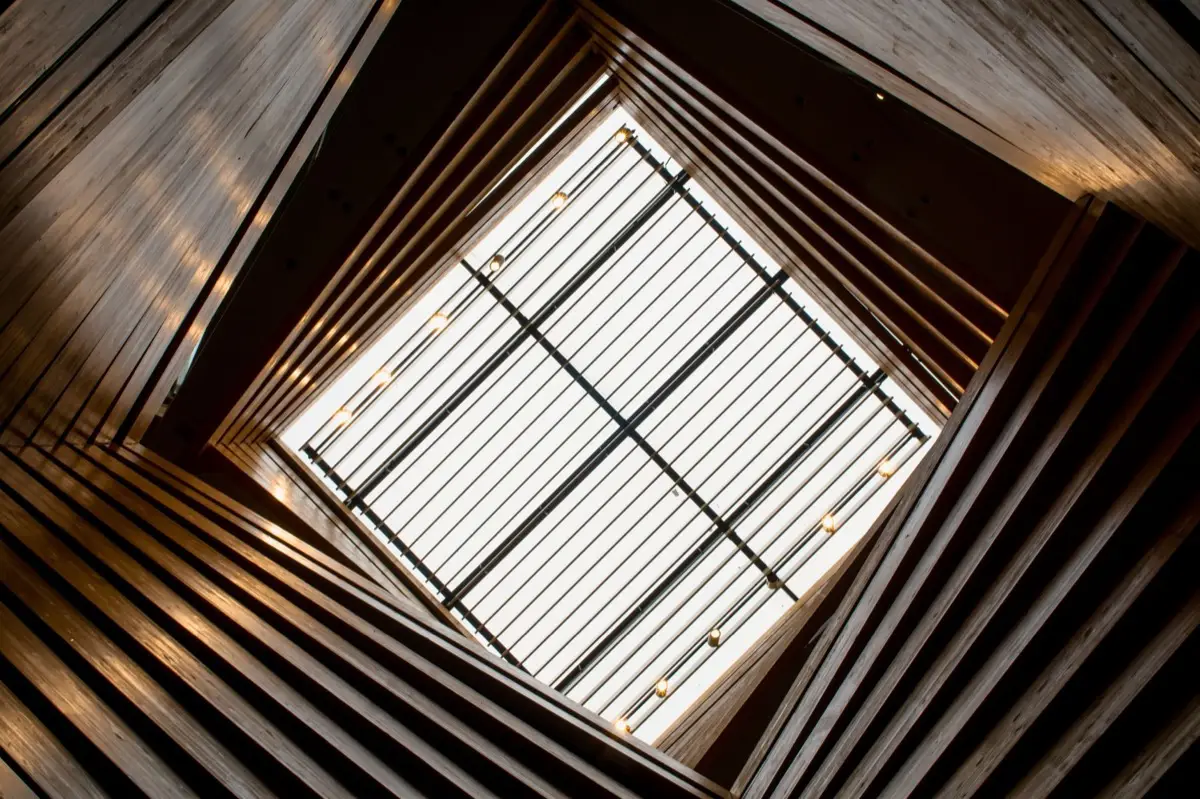
Skylights and Roof Glazing
Utah puts skylights inside the roofing license on purpose. The S280 roofing contractor classification covers non-electrical skylights outright, and covers powered units too, with the electrical connection made by a licensed electrical contractor.
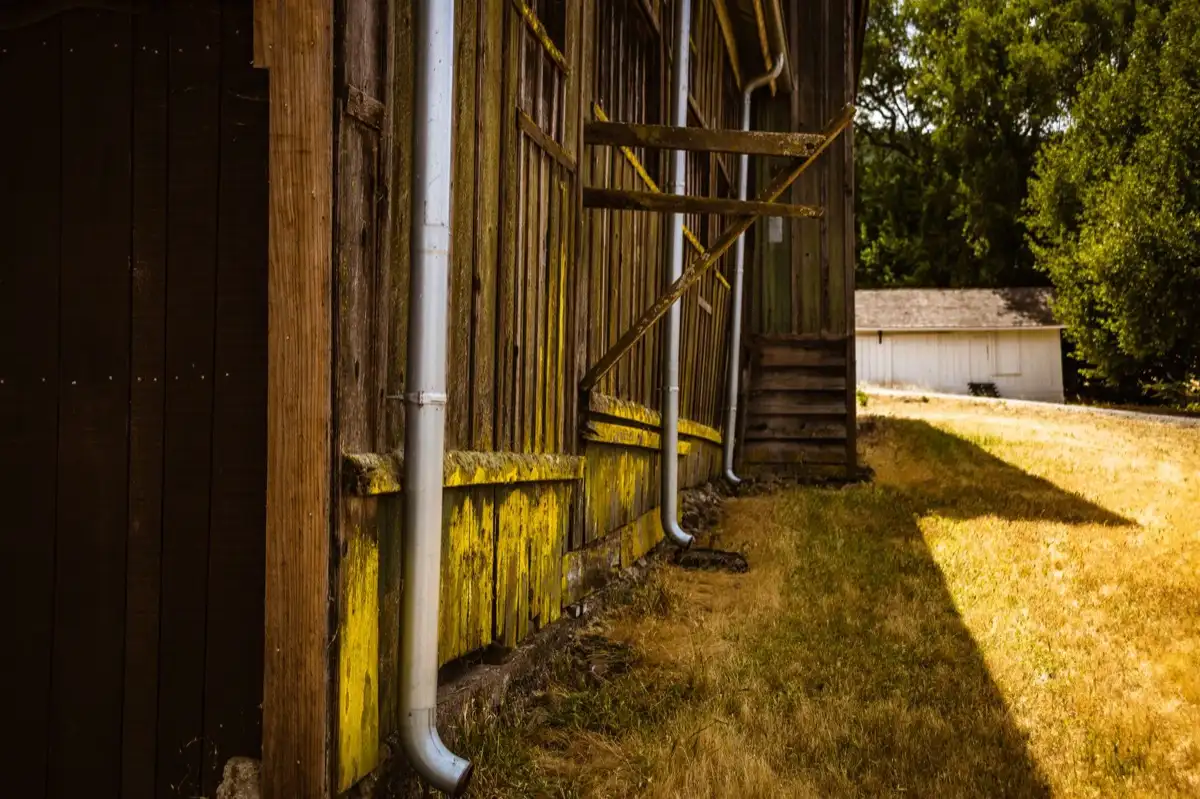
Fascia, Soffit and Eave Repair
Rot is not what kills eaves in Iron County. In a climate this dry, wood does not stay wet long enough.
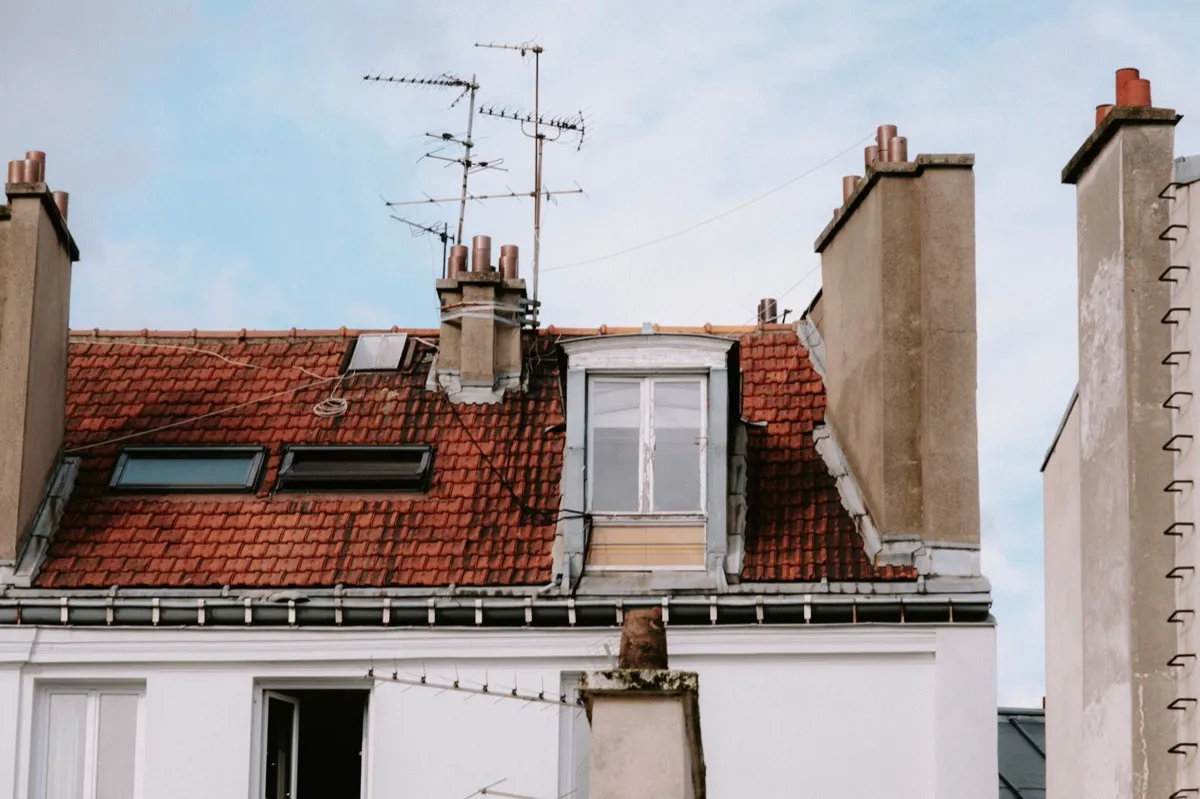
Chimney Flashing and Crowns
No detail on a Cedar City roof generates more leak calls than the chimney. The cause is a freeze-thaw count most owners never suspect.

Commercial Roofing
Cedar City's commercial stock is not a downtown. It is a university, a regional airport, a light industrial belt strung along Interstate 15, and a main street of small buildings.
Insurance Claim Documentation
Our side of a claim is evidence and construction. Valuing the loss belongs elsewhere, and Utah draws that boundary in statute.
Why Cedar City Chooses Cedar City Roof Pros
- ✓Every estimate opens with your elevation and the ground snow load the Utah State tool returns for it, because Utah's statutory table has no Cedar City entry to fall back on.
- ✓We specify by elevation band rather than by city line, so a valley-floor roof and a canyon-rim roof get genuinely different assemblies instead of the same package at two prices.
- ✓Late-season installs get every tab hand-sealed with asphalt cement at the manufacturer's quantity, because a roof surface here crosses freezing in both directions on most winter days.
- ✓We photograph underlayment, valley metal and every flashing before they are covered, and those photographs go to you rather than into a folder you never see.
- ✓We charge for inspections and never credit the fee against a replacement, so the report can honestly conclude that your roof is fine.
- ✓We will not coat a shingle roof, will not touch your deductible, and will name ultraviolet aging as ultraviolet aging when that is what the roof is showing you.
About Cedar City Roof Pros in Cedar City, UT
Cedar City Roof Pros works Iron County and the plateau country around it, from the Escalante Desert flats out past Beryl to the canyon rim above Coal Creek. We build asphalt shingle, standing seam metal, concrete tile and single-ply low-slope roofs, and we do a great deal of flashing, chimney and eave work that never becomes a full replacement.
What shapes how we work is that this service area spans more than six thousand feet of elevation.
A roof in La Verkin at 3,200 feet and a roof in Brian Head at 9,800 are not the same product with a different price, and the code knows it: Utah's thresholds for drift, for combining snow with seismic loading, and for what an overhang has to carry all fall inside the ground we cover.
So we look the number up per address and let it write the specification.
The corollary is that we often talk people out of things. If you live on the valley floor, you probably do not need a metal roof, a heavier deck or snow rails, and we will say so even though those are the profitable jobs.
If your roof is sound and the leaks are all at the curbs and the chimney, do not hire us for a replacement. And if you want a coating over shingles, we are not the company for it at any price.
Service Areas
Cedar City Roof Pros serves Cedar City, UT and surrounding communities including:
How It Works
We look up your load before we look at your roof
Before the site visit we pull your elevation and the ground snow load the Utah State tool returns for it, and note which release we used. That figure goes at the top of the estimate. It decides sheathing, fastening, eave membrane and whether your framing needs a second opinion, so it belongs in front of you rather than in our heads.
A measured walk, inside and out
We measure and photograph every plane, lift tabs to check fastener depth and pattern, probe every penetration and read the perimeter hard, because our wind arrives at rake edges. Then we go into the attic, where a dry-climate roof tells the truth: any staining at all on this sheathing is a signal, not seasonal condensation.
A written scope with quantities, not a headline price
You get squares by pitch, linear feet of each flashing type, penetration counts, edge metal, starter, ridge, disposal and the exact products by name. If you cannot hand that page to another contractor and get a comparable bid back, it is not a scope, it is a sales sheet. Ours is written to be compared.
Built to the band, then documented
We tear off to the deck, replace what the deck reveals, and build the assembly the load figure calls for. Late-season work gets every tab hand-sealed with cement at the manufacturer's quantity. You finish with photographs of the underlayment and flashings before they were covered, and a written workmanship warranty naming the elevation band we built to.
Recent Projects Across Iron County and the Markagunt Plateau rim
Full gallery →
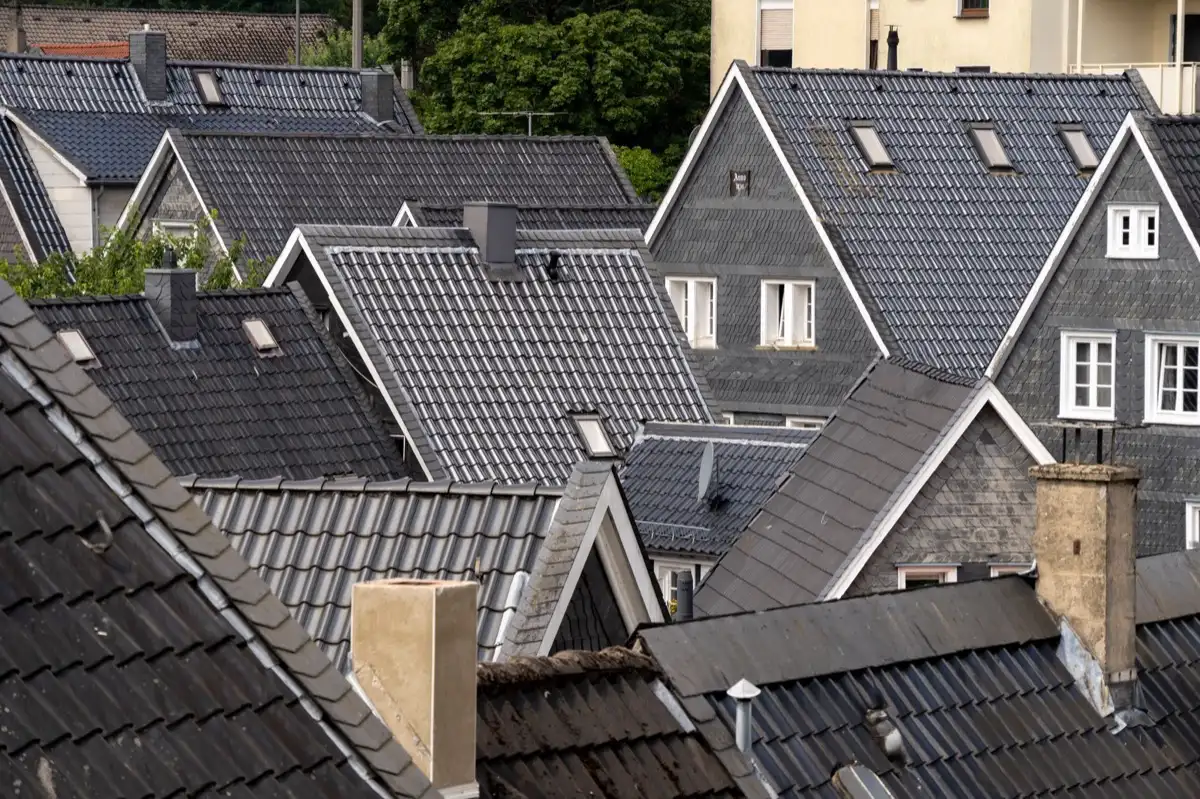
What Cedar City Customers Say
They pulled the snow load for our address off the state tool and printed it on the quote, then explained why our bench lot needed a different eave detail than my sister's place down in town. Nobody else even mentioned it.
Two companies told me I had hail damage. These folks got on the roof, showed me the granule loss was all on the south and west planes, and told me not to file. Saved me my deductible and a mark on my record.
The wind took our east rake edge twice in three years. They found the starter course had been laid upside down by the original builder, fixed the whole perimeter properly, and it has held through two winters since.
I called about a metal roof and they argued me out of it, put a proper shingle roof on instead, then explained exactly what elevation would have changed the recommendation. Hard to argue with a contractor who turns down the bigger job.
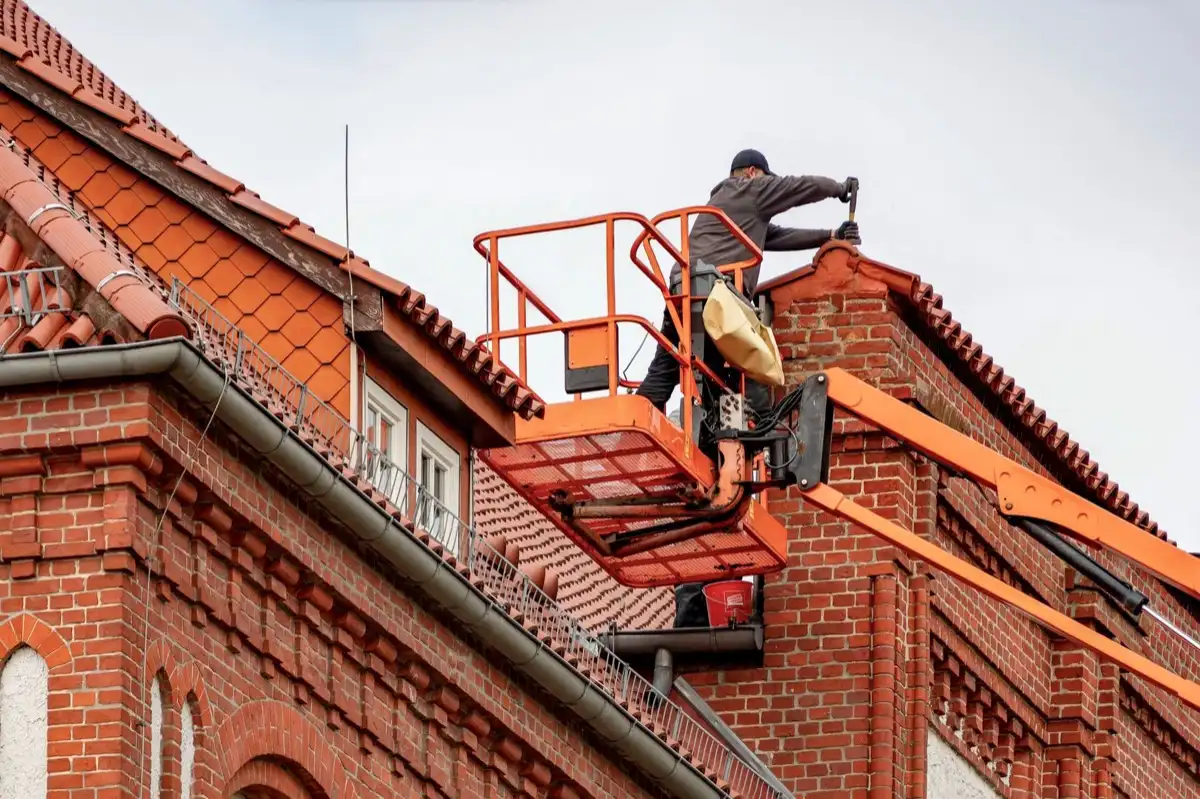
Commercial roofing for Iron County buildings and the corridor beyond
Cedar City's commercial roofs divide cleanly: metal over the light industrial belt along Interstate 15, low-slope over retail, lodging and institutional buildings, and a main street of older small structures. We restore aged metal rather than replacing it, settle the snow and seismic load question before scoping any low-slope re-cover, and flash rooftop mechanical properly, which in this market means taking swamp cooler curbs seriously. For managed portfolios we would rather sell a maintenance agreement than a roof.
- ✓Aged exposed-fastener metal restored with oversized gasketed screws, stripped seams and silicone
- ✓60-mil fleece-back TPO and cold-applied two-ply SBS-modified bitumen for low-slope decks
- ✓Snow and seismic load combination settled before any re-cover is scoped or priced
- ✓Evaporative cooler curbs reflashed, and walkway pads installed on every service route
- ✓Secondary drainage and overflow scuppers added for monsoon bursts on undersized systems
- ✓Two inspections a year with drains cleared, laps probed and a written condition log
- ✓Written scopes with real quantities that a second contractor can competitively bid
- ✓Phased work and after-hours access for lodging, retail and university-adjacent buildings
Frequently Asked Questions
What ground snow load applies to a re-roof in Cedar City?
There is no single citywide figure, which is unusual and catches people out. Utah Code 15A-3-107 lists only Parowan for Iron County, at 32 psf and 6,007 feet, and directs every unlisted address to the Utah State snow load study. Cedar City's own building standards follow that lead and link to the tool rather than publishing a number. So the answer is specific to your elevation, and we pull it before quoting.
Does a roofer have to be licensed in Utah?
Yes. Utah licenses roofing as the S280 roofing contractor classification through the Division of Occupational and Professional Licensing under the Construction Trades Licensing Act. That scope covers shingles, tile, slate, membranes, roof conversion and non-electrical skylights. You can verify any contractor's license on the state registry before you sign, and it is worth the two minutes.
When is the last safe week to install shingles here?
Earlier than most people think. Shingle sealant strips need sustained warm surface temperature to bond, and our January averages a 42.8 degree high against an 18 degree low, so a roof surface crosses freezing in both directions on most winter days. Anything laid from mid-October onward gets every tab hand-sealed with asphalt cement. Past a certain point in the fall at elevation, waiting for spring is the honest advice.
Do I need ice-and-water shield in a town this dry?
At the eaves and in the valleys, yes, and the dryness is beside the point. Our ice problem is not driven by total precipitation, it is driven by melting and refreezing, and that happens on almost every clear winter afternoon. A self-adhered membrane carried well up the slope past the interior wall line is the cheapest insurance on the roof and we specify it as standard.
Why do I get ice at my eaves when the attic is well insulated?
Because at this elevation the melt is largely solar rather than conductive. Unfiltered high-desert sun on a dark south slope will run water over a perfectly cold, perfectly insulated attic on a January afternoon, and that water still refreezes when it reaches a shaded overhang. Adding insulation does not stop it. A proper eave membrane and a drainage path that expects standing ice do.
Can you reach a cabin at Duck Creek or Brian Head in winter?
Sometimes. And when the answer is no, you will hear that straight away rather than at the end of the week. State Route 14 over the Markagunt and State Route 143 to Brian Head both close, and when they are shut nobody is getting up there.
What we can do is help you get eyes on the building through a neighbor or property manager, advise what to shut off, and be there the day the road opens. Second homes should have a water sensor on the lowest ceiling.